What Really Happens Inside a Brick Factory
This week Magda and I swapped drawings and client meetings for high-vis vests and safety boots.
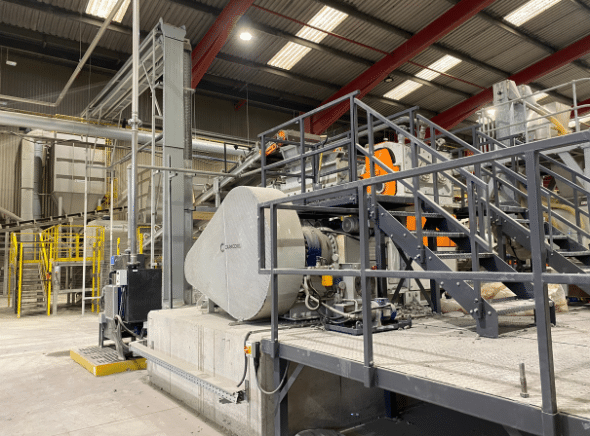
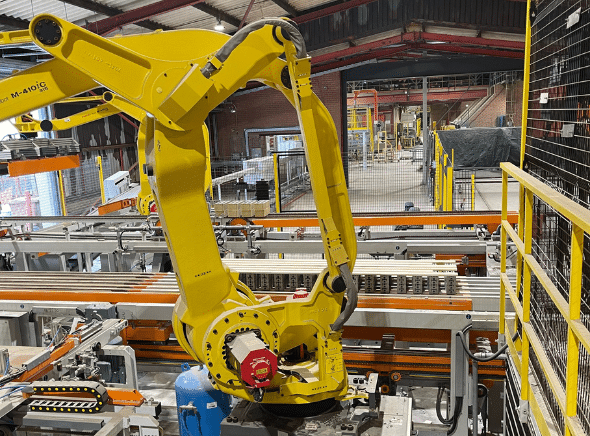
We spent four hours inside the Forterra brick factory in Accrington, walking the production line from raw clay to finished brick slips.
As architects, we specify materials all the time. But seeing how they’re actually made changes the way you think about them.
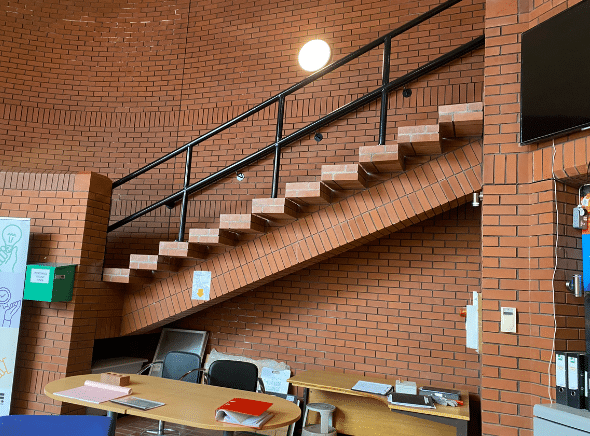
From Clay to Engineered Brick Slip
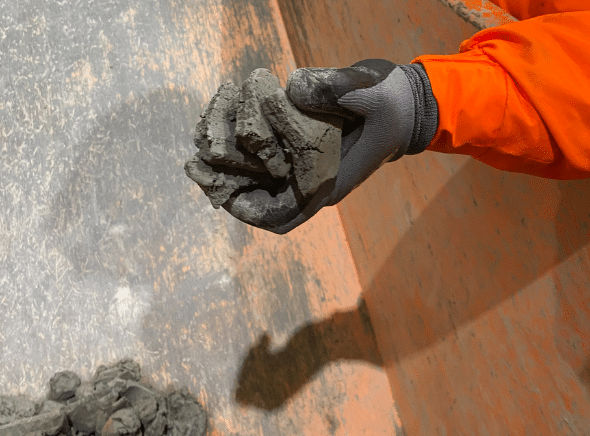
The clay is quarried directly behind the factory. From there, it’s processed, compressed and extruded into precise profiles before being fired at over 1,000 degrees.
One of the key focuses of the visit was Forterra’s new extruded brick slip system, Omni.
There’s an important difference between a cut brick slip and an extruded brick slip.
A cut slip is exactly what it sounds like. The face is sliced off a traditional brick.
An extruded slip, like the Omni system, is designed from the outset as a slip product. It’s formed with a specific profile so it can mechanically fix into a rail system. It’s engineered as part of a system rather than adapted afterwards.
That difference affects durability, tolerance, installation speed and long-term performance.
Rain Screen Cladding – More Than Just a Finish
We also looked at how brick slips sit within rain screen cladding systems.
Behind the visible brick finish is a ventilated cavity. That cavity allows moisture to drain and air pressure to equalise. It reduces the risk of trapped moisture and improves overall performance.
We covered:
• Mechanical rail fixing systems rather than adhesive-only solutions
• Fire barriers positioned within cavities to slow fire spread
• Wind load and impact testing
• Independent fire classification and third-party certification
Post-Grenfell, façade design has rightly become more stringent. Understanding what is A1 non-combustible, how systems are tested and how fire barriers are integrated is no longer optional. It is fundamental.
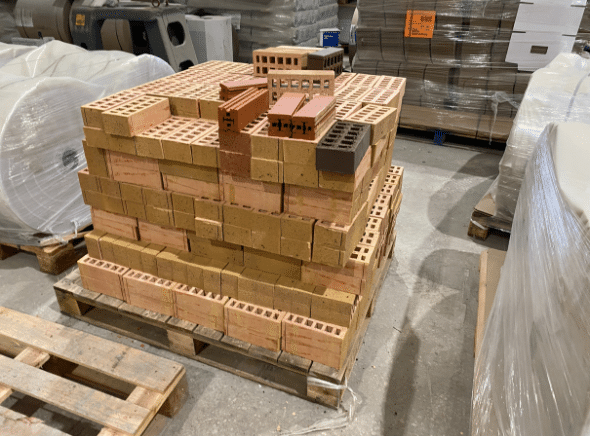
Blue Bricks Aren’t a Different Clay
One of my favourite moments of the day was learning more about blue engineering bricks.
Blue bricks are not made from a different clay.
They’re made from the same clay as red bricks. The difference is in the firing process.
Remove oxygen during firing and the clay turns blue. Fire it with oxygen present and it turns red.
Same material. Different chemistry. Completely different appearance.
When Would a Homeowner Use Brick Slips?
You might be wondering when brick slips are actually relevant to a domestic project.
There are a few common situations.
If you remove old render and discover that the face of the existing brickwork is blown or badly damaged, brick slips can provide a way to reinstate a brick appearance without rebuilding the wall.
If you want to introduce brick as an internal feature, for example on a chimney breast or kitchen wall, a brick slip behaves more like a tile. It gives the character and texture of brick without the weight, depth and disruption of full masonry.
They can also be useful where structural loading is limited, such as lightweight garden rooms, dormers or timber frame elements where full brickwork may not be appropriate.
In each case, it’s about choosing the right solution for the right reason, not simply because it “looks like brick”.
Why This Matters
Materials aren’t just aesthetic decisions.
They affect weight, installation, fire performance, thermal detailing and longevity.
When we design your extension, we’re not just thinking about how it will look when the scaffolding comes down. We’re thinking about how it will perform over decades.
Spending time at Forterra, understanding the engineering behind the Omni extruded brick slip system, reinforced something important.
The more we understand what sits behind the surface, the better informed the decisions we make for your home.
If you’re planning an extension or renovation and want an architect who looks beyond finishes and really understands how buildings go together, we’d love to help you create a home that feels good, functions well, and lasts.